The Secret To Growing Blue Purple Hydrangeas
The Secret to Growing Blue Purple Hydrangeas
Hydrangeas are one of the most popular flowering shrubs in the world, and for good reason. They come in a wide variety of colors, from white to pink to blue, and they can be grown in a variety of climates. But if you're looking for the secret to growing blue purple hydrangeas, you've come to the right place.
In this blog post, we'll discuss everything you need to know about growing blue purple hydrangeas, including:
- The science behind why hydrangeas change color
- How to choose the right soil and fertilizer
- When and how to water your hydrangeas
- How to protect your hydrangeas from pests and diseases
- And more!
So if you're ready to learn the secret to growing blue purple hydrangeas, read on!
The Science of Hydrangea Color
The color of hydrangea flowers is determined by the acidity of the soil. In alkaline soil, hydrangeas will bloom pink or red. In acidic soil, they will bloom blue or purple. This is because the aluminum in the soil is more soluble in acidic conditions, and it is the aluminum that gives hydrangeas their blue color.
The pH of your soil can be tested with a pH meter or pH test kit. The ideal pH for growing blue hydrangeas is between 5.2 and 5.5. If your soil is too alkaline, you can lower the pH by adding sulfur or aluminum sulfate.
Choosing the Right Soil and Fertilizer
In addition to pH, the type of soil you use can also affect the color of your hydrangeas. Hydrangeas prefer well-drained, loamy soil that is rich in organic matter. If your soil is sandy or clayey, you may need to add compost or peat moss to improve drainage and add organic matter.
You should also fertilize your hydrangeas regularly. A balanced fertilizer, such as 10-10-10, is a good choice. You can fertilize your hydrangeas in the spring and fall.
Watering and Care
Hydrangeas need regular watering, especially during the summer months. Water your hydrangeas deeply, so that the water reaches the roots. You should also mulch around your hydrangeas to help retain moisture.
Hydrangeas are relatively pest- and disease-resistant, but they can be susceptible to scale, aphids, and powdery mildew. If you notice any pests or diseases on your hydrangeas, treat them immediately with an appropriate pesticide or fungicide.
Protecting Your Hydrangeas
In cold climates, hydrangeas may need to be protected from the cold. You can do this by covering your hydrangeas with a burlap sack or frost cloth. You should also water your hydrangeas well before the first frost to help them survive the winter.
Growing Blue Purple Hydrangeas: The Final Word
Growing blue purple hydrangeas is not difficult, but it does require some care and attention. By following the tips in this blog post, you can enjoy beautiful blue purple hydrangeas in your garden for years to come.
Blue purple hydrangeas are a stunning addition to any garden. Their large, showy blooms can be a vibrant blue, purple, or even pink, depending on the pH of the soil. If you're looking for a beautiful and easy-to-care-for shrub, a blue purple hydrangea is a great choice.
To learn more about blue purple hydrangeas, I recommend visiting . This website has a wealth of information about these beautiful plants, including their history, care requirements, and different varieties. You'll also find helpful tips on how to get the best blooms from your hydrangeas.
FAQ of blue purple hydrangea
Q: What makes a blue hydrangea?
A: Blue hydrangeas bloom in acidic soils, usually with a pH of 5.5 or less. The acidity of the soil affects the way that the hydrangeas take up aluminum, which is what gives them their blue color. In alkaline soils, the aluminum is not as available to the hydrangeas, so they will bloom in shades of pink or purple.
Q: How do I keep hydrangeas purple blue?
A: There are a few things you can do to keep hydrangeas purple blue. First, make sure that the soil is acidic. You can test the pH of your soil with a pH test kit. If the soil is alkaline, you can add sulfur to acidify it.
Second, water your hydrangeas with rainwater or distilled water. Tap water can contain alkaline minerals that can make the hydrangeas bloom in shades of pink or purple.
Finally, you can add aluminum sulfate to the soil around your hydrangeas. This will help to ensure that the hydrangeas have enough aluminum to bloom blue.
Q: What are the different types of blue purple hydrangeas?
A: There are many different types of blue purple hydrangeas. Some of the most popular varieties include:
- Nikko Blue: This variety is known for its large, blue flower heads. It is a hardy plant that can tolerate a wide range of conditions.
- Endless Summer: This variety is a rebloomer, meaning that it will bloom multiple times throughout the summer. The flowers can be blue, pink, or purple, depending on the acidity of the soil.
- French Lace: This variety has delicate, lace-like flowers that are shades of blue, pink, or purple. It is a relatively new variety, but it has quickly become popular for its beauty and hardiness.
Q: How do I care for blue purple hydrangeas?
A: Blue purple hydrangeas are relatively easy to care for. They need full sun to partial shade and well-drained soil. They should be watered regularly, especially during hot, dry weather.
In the fall, you can prune your hydrangeas to encourage new growth the following spring. You should also remove any dead or diseased branches.
Q: What are some common problems with blue purple hydrangeas?
A: Some of the most common problems with blue purple hydrangeas include:
- Leaf spot: This is a fungal disease that can cause brown spots on the leaves. You can treat leaf spot with a fungicide.
- Pests: Hydrangeas can be susceptible to pests such as aphids, spider mites, and scale. You can control pests with insecticidal soap or neem oil.
- Winter damage: Blue purple hydrangeas can be damaged by cold weather. If you live in an area with cold winters, you should mulch your hydrangeas to protect them from the cold.
Image of blue purple hydrangea
- Image 1: A large, lush hydrangea bush covered in clusters of deep purple blooms. The flowers are a mix of light and dark purple, and they are surrounded by dark green leaves.
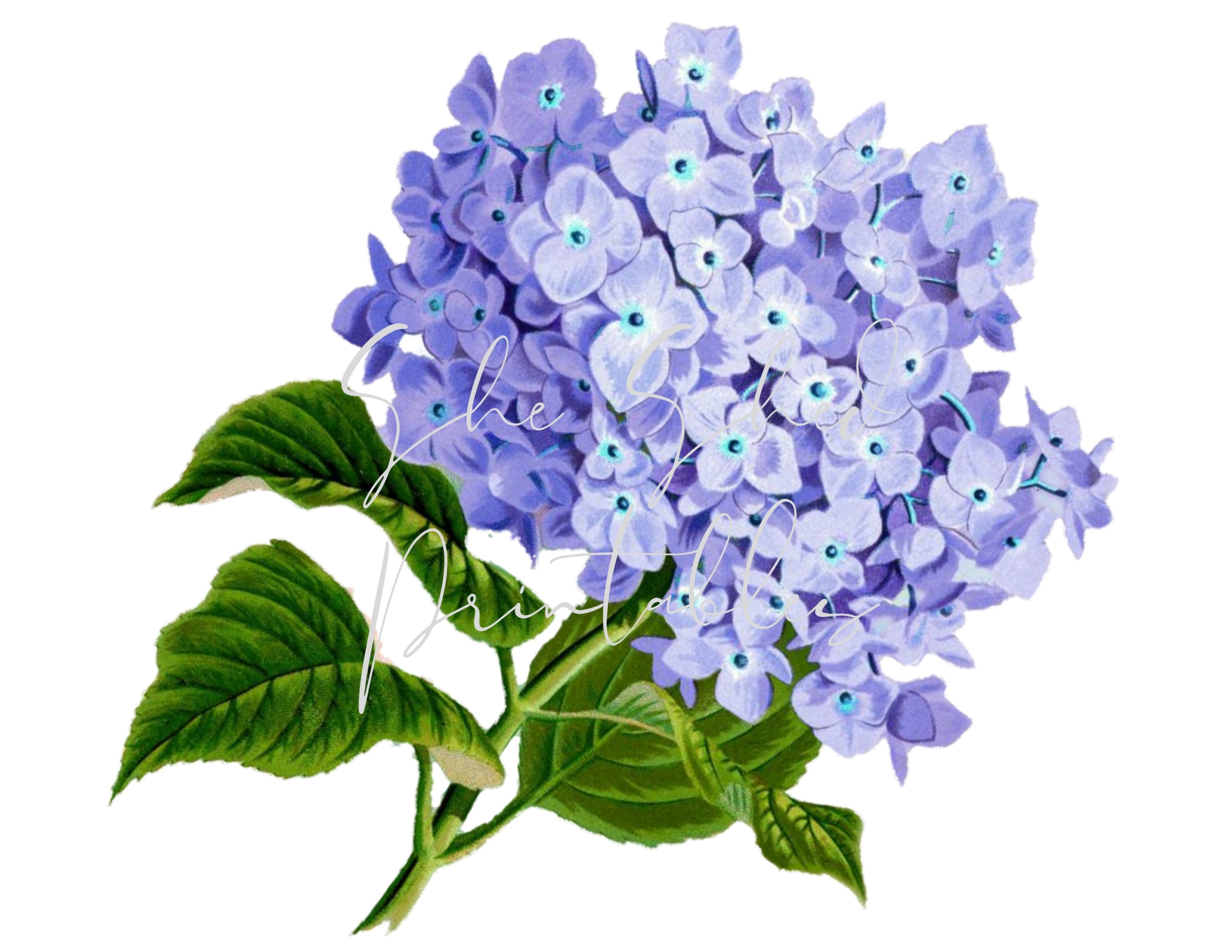
- Image 2: A close-up of a single hydrangea bloom. The flower is a deep purple color, and it has a slightly wavy edge. The center of the flower is filled with small, white stamens.

- Image 3: A row of hydrangea bushes in full bloom. The bushes are covered in clusters of purple flowers, and the flowers are surrounded by lush green leaves.
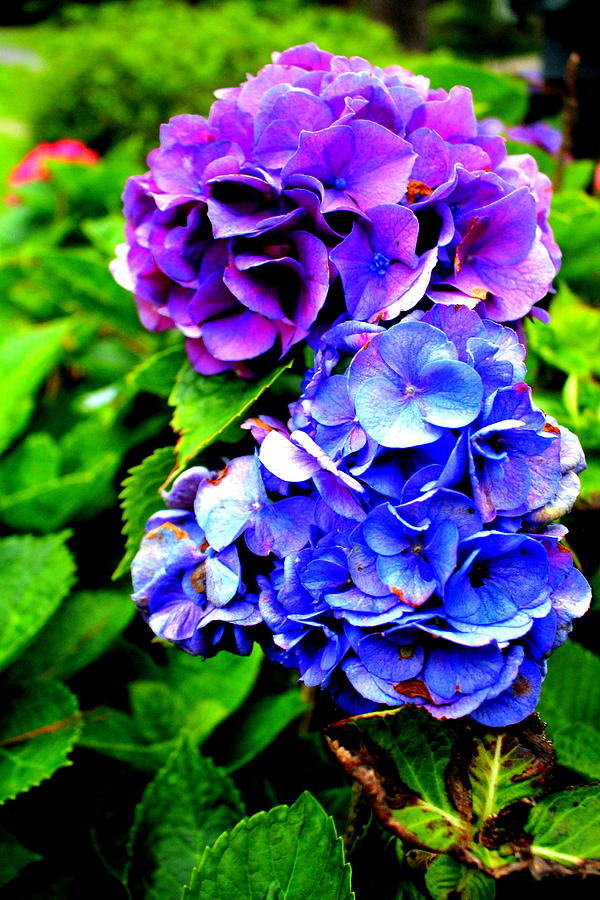
- Image 4: A hydrangea bush in a garden setting. The bush is surrounded by flowers, and the flowers are a mix of purple, blue, and pink.
- Image 5: A hydrangea bouquet. The bouquet is made up of hydrangea blooms in a variety of shades of purple. The flowers are arranged in a vase, and they are surrounded by greenery.

Post a Comment for "The Secret To Growing Blue Purple Hydrangeas"